Let us guess. You're here because you want to give your baby the best possible start. You're in the right place. This is research-backed information that supports healthy growth and development during one of the most important windows of life.
From pregnancy through a child's second birthday is a short but powerful time. Nutrition during this stage supports early brain development, shapes food preferences, and lays the foundation for lifelong wellness.
As toddlers grow through their preschool years, it remains just as important to reinforce those healthy habits. A strong foundation sets the tone.
Dairy can be a smart nutrition solution for families. Dollar for dollar, it's one of the most affordable sources of high-quality nutrition, which can help meet big needs on a small grocery budget.
Milk, yogurt and cheese come in a range of textures and varieties, including lactose-free options, to meet different taste, cultural and health needs. There's something for everyone, including the pickiest of eaters.
Here are four ways dairy supports your child’s health during this important stage:
- Brain Health
- Strong Bones and Muscles
- Immune Health
- Growth and Development
Brain Health
The brain grows faster from pregnancy through age 2 than at any other time in life. Nutrition during this period affects cognitive development, motor skills, emotional health and long-term learning outcomes.
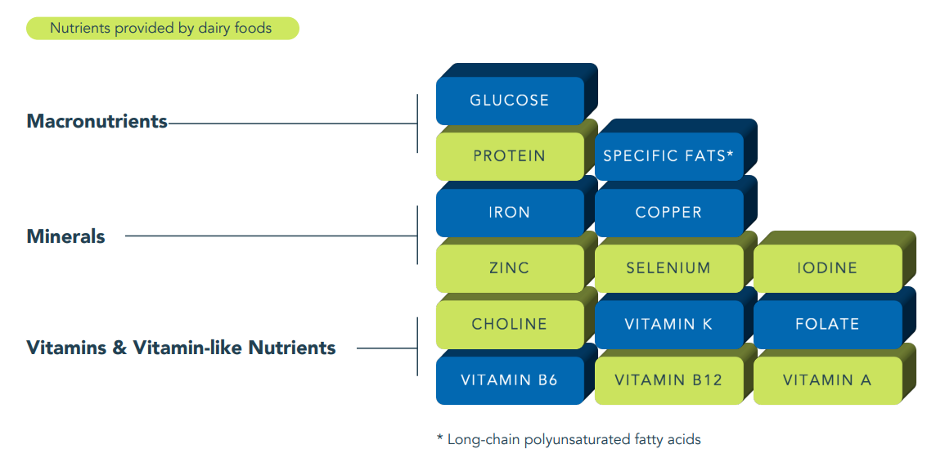
The American Academy of Pediatrics (AAP) highlights 14 nutrients that support early brain development. Dairy foods provide seven of them, including:
- Protein
- Zinc
- Selenium
- Iodine
- Choline
- Vitamin B12
- Vitamin A
These nutrients fuel the brain’s rapid development and help set the stage for success in school and beyond.
Nutrition tip for moms: During pregnancy and breastfeeding, getting enough iodine is essential for your baby’s brain development. If you don’t regularly eat dairy, seafood, eggs or iodized salt, you may not be getting enough.
Strong Bones and Muscles
Bones are the framework for a child’s growing body, and early habits help shape lifelong skeletal health.
The AAP’s Clinical Report on ‘Optimizing Bone health in Children and Adolescents’ says bone mass built during childhood is the most modifiable factor for preventing osteoporosis later in life. In other words, it’s something you can actually influence. Building strong bones early can help protect against fractures and injuries down the road.
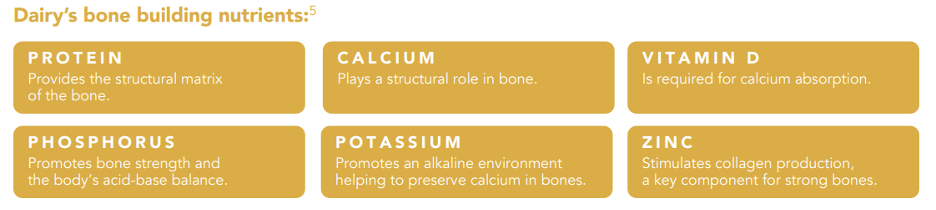
Dairy foods deliver more bone-building nutrients than any other food group. That’s why the AAP, the National Institutes of Health and the Dietary Guidelines all recommend including dairy in children’s diets.
Immune Health
Immune health matters at every stage, especially in early childhood. While habits like good sleep and regular activity are key, a nutrient-rich diet helps keep the immune system functioning at its best.
Immune cells require constant fuel to protect the body. Nutrients from dairy foods, fruits and vegetables support this ongoing work.
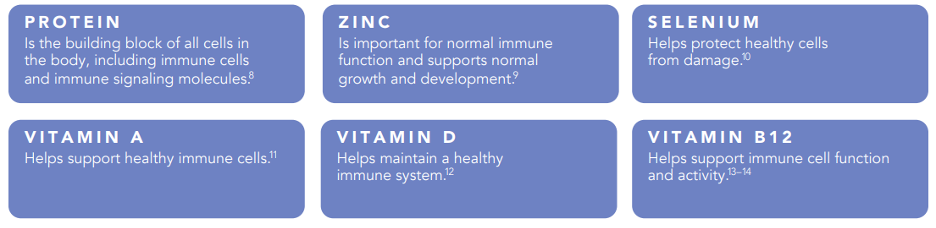
The Dietary Guidelines note that many young children fall short on diet quality early in life. Meeting daily dairy recommendations can help fill those nutrient gaps with:
- Protein
- Zinc
- Selenium
- Vitamin A
- Vitamin D
- Vitamin B12
Growth and Development
From first bites to first steps, your child needs the right balance of nutrients to support healthy growth. High-quality protein plays an especially important role during this rapid stage of development.
Starting around six months, cheese and yogurt are easy ways to introduce new textures and expand your baby's palate.
After a child’s first birthday, whole milk and other dairy foods become key sources of calories, protein and essential nutrients to support developing brains, bones, bodies and immune systems.
This makes dairy a helpful nutritional safety net, especially for selective eaters.

Learn More
Want to dive deeper into early childhood nutrition and how dairy supports healthy development? Visit 'Educating Young Families About Dairy.'